Search "real estate drone photography Boston" and almost every result is a service menu or a pricing page — book the shoot, here's the rate. What none of them answer is the question a Greater Boston agent actually has standing in the driveway of a new listing: does this home even need aerials, and what will they do that ground photos won't? Here's a straight answer — what drone photography actually adds to a Boston-area listing, where it earns its keep, and the local airspace reality that decides whether it can legally happen at all.
The short answer
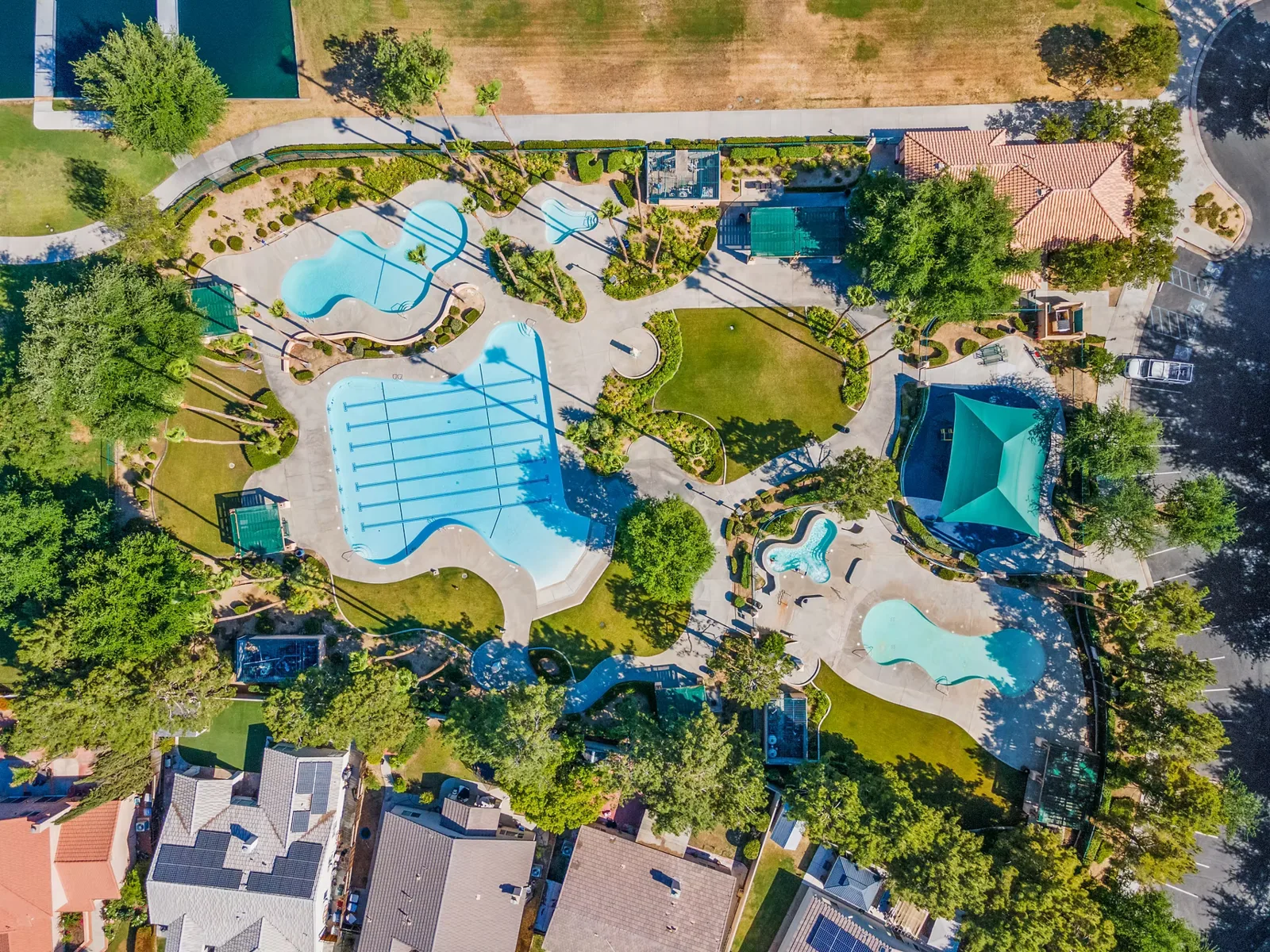
Aerial drone photography sells the things a buyer can't see from the sidewalk: the size and shape of the lot, how the home sits on its land, and the setting around it — water, woods, skyline, or neighborhood. On a property where the land and location are part of the value, a few well-composed aerials are some of the highest-impact images in the gallery. On a tight in-town condo, they add little. The art is matching the tool to the property — and, in Greater Boston, clearing the airspace before anyone takes off.
What aerial photography actually shows
The lot, the boundaries, and how the home sits
Ground photos flatten a property. They can't show a buyer that the backyard runs to a tree line, that the driveway is a quarter-mile approach, or that a Weston estate sits on two private acres. An overhead and a low-oblique aerial answer "how much land is this, and where are the edges?" in a single frame — the question acreage buyers ask first. For larger lots and equestrian or estate properties, that context is the listing.
The setting and the proximity story
Aerials are how you sell location as a feeling, not a line in the remarks. A rising shot can reveal the harbor two streets over from a Marblehead home, the conservation land behind a Concord property, or the Boston skyline from a Cambridge rooftop. Proximity to water, green space, or a downtown is often the real reason a buyer pays the premium — and it's invisible at ground level.
Waterfront, views, and roofline
On the North Shore and along the coast, the water view is the asset. Aerials over a Gloucester or Hingham waterfront property show the frontage, the dock, and the sightlines a ground photo crops out. Overhead frames also document roof and structure honestly — useful on higher-end homes where buyers and their inspectors want to see condition, not guess at it.
Aerial stills vs. aerial video vs. FPV
"Drone photography" covers three different jobs, and they're priced and used differently. Aerial stills are the gallery workhorses — the lot, setting, and roofline shots above. Aerial video adds motion: a slow orbit or a reveal that pulls back from the front door to the whole property, the connective tissue of a cinematic listing film. And the FPV flythrough is a separate animal entirely — a small, agile drone flown manually through the house in one continuous take, which we break down in our guide to FPV cinematic tours for Boston listings. Most listings that need aerials need stills first; video and FPV are flagship add-ons. If you're weighing photos against video more broadly, start with photography vs. video for Boston listings.
When aerials are worth it — and when to skip them
- Strong fit: waterfront and view properties, larger lots and acreage, estate and architectural homes, anything where the land, setting, or proximity to water or green space is part of the price.
- Situational: in-town single-families in Brookline or Newton, where one establishing aerial can frame the neighborhood even if the lot itself is modest.
- Usually skip: mid-rise condos and units with no exterior or lot story — the value is inside, and a strong interior gallery plus a 3D tour does more.
- Pair it: aerials are an exterior layer, not a whole campaign — they work alongside a complete daytime gallery and, on flagship homes, a twilight hero shot.
The Greater Boston reality: airspace decides everything
Here's the part that separates a Boston-area specialist from a generalist with a drone: almost the entire metro sits in controlled airspace, so a legal aerial shoot means pulling LAANC authorization before the flight. Boston, Cambridge, and Brookline fall under Logan's Class B, with some grids near the airport reading zero feet — meaning aerials simply can't be flown there and the shoot has to be planned around it. Lexington and Concord sit under Hanscom; the North Shore over Salem and Marblehead is governed by Beverly. Any drone flown to market a listing is also commercial work requiring an FAA Part 107 certified pilot and, in most brokerages, $1M liability insurance and Remote ID-compliant equipment. Our full guide to drone laws in MA, NH & Maine walks through all of it. The practical takeaway: ask any provider, "Will you check the LAANC grid for this exact address before we book?" The right answer is yes, automatically.
What it costs
Aerial pricing moves with scope — stills as a package add-on sit lower; standalone or video-heavy aerial sessions run higher, and Boston's controlled airspace adds planning time that factors in. Rather than quote a number that won't fit your specific property, we keep real 2026 ranges in our guides to real estate video cost in Boston and drone photography cost across New England. The honest answer for any single listing is a firm quote on the address.
The bottom line
Aerial drone photography isn't a default line item — it's the right tool when a home's land, setting, or water is part of what's being sold, and a waste of budget when it isn't. On the listings that earn it, a handful of well-flown aerials are among the strongest images in the gallery. In Greater Boston, the difference between a clean shoot and a grounded drone is whether your provider cleared the airspace first. Tell us the address and we'll check the LAANC grid and tell you honestly whether aerials are worth it for that home.
Frequently asked questions
Does every Boston listing need drone photography?
No. Aerials shine where the lot, setting, or water view is part of the value — waterfront, acreage, estate, and view properties. For an in-town condo or a unit with no exterior story, a strong interior gallery and a 3D tour usually do more than an aerial would. Match the tool to the property.
What does an aerial photo show that a ground photo can't?
The size and shape of the lot, how the home sits on its land, and the setting around it — proximity to water, conservation land, or a skyline that's invisible from the sidewalk. On larger or waterfront properties, that context is often the single most persuasive image in the listing.
Can a drone legally fly over my listing in Greater Boston?
Usually yes, but only with planning. Almost the entire metro sits in controlled airspace ringed by Logan, Hanscom, Norwood, and Beverly, so a licensed operator must pull LAANC authorization before takeoff — and some grids near Logan read zero feet, where aerials can't be flown at all. A pro checks the grid for the exact address before quoting. See our drone laws guide for the full picture.
What's the difference between aerial photos and an FPV flythrough?
Aerial photos are exterior stills shot from above — lot, setting, and roofline. An FPV flythrough is a continuous video flown through the home with a small, agile drone, used as a flagship piece on luxury listings. Most homes that need aerials start with stills; FPV is a separate, higher-tier add-on covered in our FPV guide.