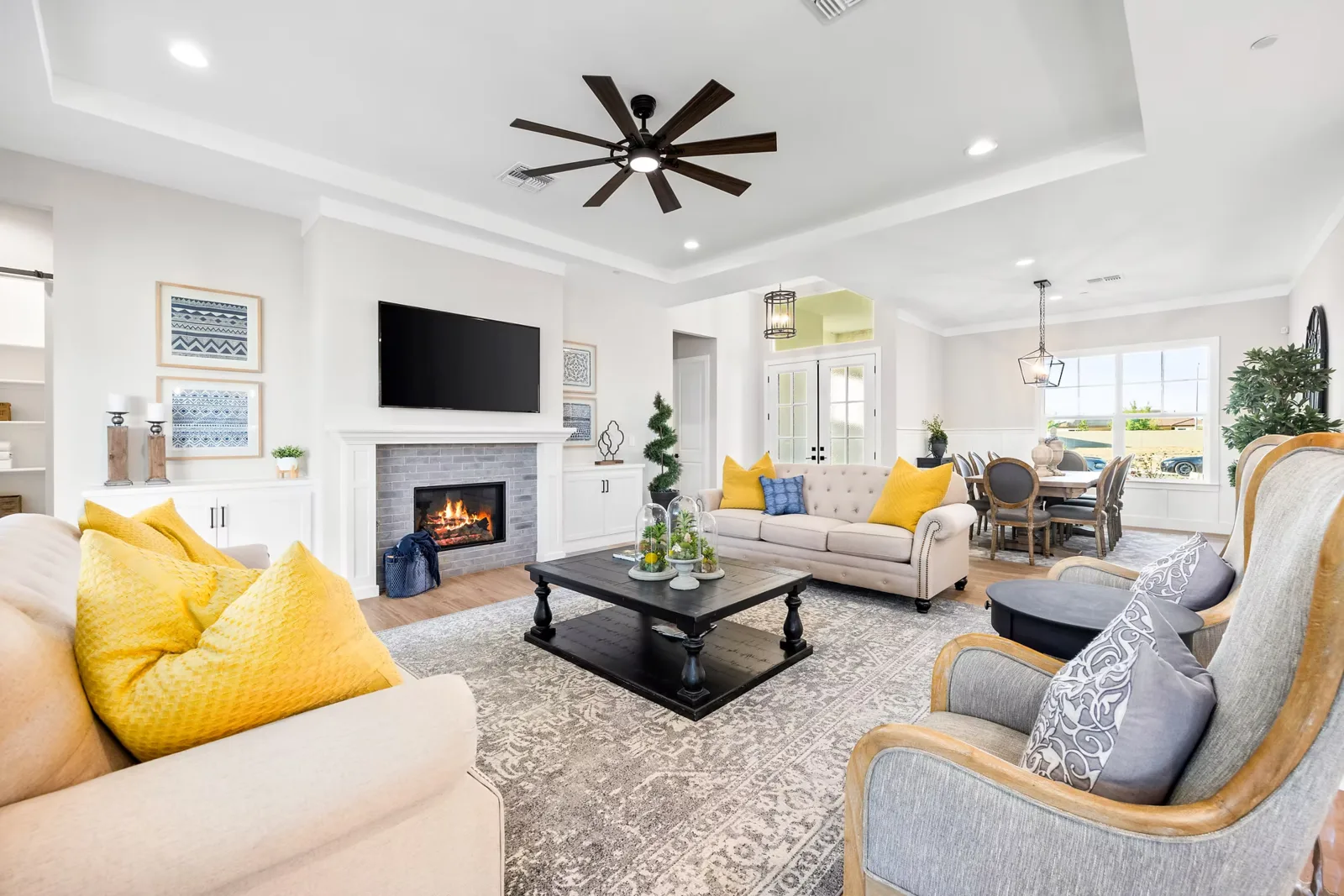
The single biggest lever an agent controls before a shoot isn't the photographer — it's the house on the day the crew arrives. A cluttered counter, a car in the driveway, or blinds pulled at the wrong angle can cost a listing its best possible hero shot, no matter how good the camera work is. Here's the room-by-room checklist we send Greater Boston clients before every photo, video, or twilight shoot — what to fix, what to hide, and what to schedule first.
The short answer
Prep falls into three buckets: declutter and depersonalize every surface the camera will see, fix the small stuff that reads as neglect in a still photo (nothing moves in a photo, so a crooked lampshade sits crooked forever), and schedule around the light and the driveway — cars, trash bins, and lawn equipment out of frame, curtains and blinds set before the crew arrives, not during. None of it requires a stager or a big budget. It's an hour of work that measurably changes how the gallery looks.
Whole-house basics
- Turn on every light — lamps, under-cabinet lighting, closet lights — even in daytime. Warm light fills shadows a camera can't fix later.
- Open every blind and curtain evenly across the house, unless a window looks directly at a neighbor's siding or a parking lot — then close it.
- Clear countertops and surfaces down to two or three intentional objects per surface. Mail, chargers, remotes, and paper towel rolls are the first things buyers' eyes catch and the fastest way to make a room look smaller.
- Put pets and pet gear away — bowls, beds, litter boxes, and leashes. Buyers with allergies or a fear of dogs will scroll past a listing that shows them.
- Set the thermostat and turn off ceiling fans so lens flare and motion blur aren't fighting the shot.
- Remove personal photos and valuables from open view — good for the shoot, and good practice with strangers walking through the home.
Room by room
Kitchen
Clear the counters except a bowl of fruit or a single styled item. Put away dish soap, sponges, and the coffee maker if it's cluttered. Empty the sink. Push in bar stools evenly. Hide the trash can and recycling.
Living & family rooms
Fluff and square every pillow and throw. Stack remotes out of sight. Straighten rugs so edges are parallel to the walls — a crooked rug reads in every wide shot. Turn all lamps on.
Bedrooms
Make every bed with a hotel-tight finish. Clear nightstands to a lamp and one small object. Close closet doors unless they're being shown as a feature — in which case, organize what's visible.
Bathrooms
Clear counters completely except one folded towel set or a single styled item. Close the toilet lid. Put away toothbrushes, razors, and medications. Hang matching towels.
Exterior & curb
This is the one sellers forget and the one aerial and twilight shots depend on most. Move all vehicles off the driveway and out of the street in front of the house. Roll trash and recycling bins out of sight. Coil hoses, put away lawn furniture cushions if worn, and rake or blow leaves and grass clippings off walkways. Mow the day before, not the morning of, so clippings have settled. For a home that will get an aerial pass, check the roof for visible debris and the yard for toys, tarps, or pool equipment that reads clearly from above.
Getting ready for video and aerial specifically
Photo prep covers most of it, but a cinematic video or drone shoot adds a few extras. Video shows motion, so anything precariously placed (a stack of magazines, an open cabinet) will move on camera in a way a still photo hides. For aerial work, confirm with your agent or media provider ahead of time whether neighbors need any notice, and make sure gates, side yards, and any areas you want featured from above are tidy — the drone sees the whole property, not just the staged rooms.
If the shoot includes twilight
A twilight shoot happens in a short window after sunset, so everything above needs to be done before the crew arrives that evening — there's no time to declutter once the light starts fading. Confirm every interior and exterior light is on a working bulb days in advance; a single burnt-out fixture is the kind of thing that only shows up once the sky goes dark.
What sellers can skip
Prep is not the same as staging or renovation. You don't need new furniture, a paint job, or landscaping work to get a strong gallery — that's a separate conversation about virtual vs. physical staging for vacant or under-furnished homes. The checklist above is about presenting what's already there as clearly and calmly as possible, not upgrading it.
A short list to text the seller the night before
- Lights on, blinds open, thermostat comfortable
- Counters and nightstands cleared
- Beds made, pillows fluffed
- Dishes away, trash cans hidden
- Cars off the driveway and street frontage
- Pets and pet gear out of sight
Send it as a text the evening before the shoot, not a week ahead — reminders that arrive with the house already tidy make the biggest difference.
The bottom line
A crew can only photograph the room in front of them. An hour of decluttering, light-checking, and driveway-clearing before the shoot does more for the final gallery than almost any editing decision after it. Send your sellers this checklist the night before every Boston listing shoot, and the crew walks into a home that's already ready to sell. Once the shoot wraps, see our guide to photo and video turnaround times in Boston so you can set the seller's expectations for when the gallery lands. Book your shoot and we'll send this list to your seller automatically.
Frequently asked questions
How far in advance should a seller prep for a photo shoot?
Deep cleaning and decluttering can happen a day or two ahead, but the final pass — lights on, beds made, counters cleared, cars moved — should happen the morning of (or the evening before, for a twilight shoot). Anything done too early tends to drift by shoot time.
Does the house need to be staged before a photo shoot?
No. Staging and prep are different things. Prep is decluttering and presenting what's already in the home clearly; staging is furnishing or styling a space, physically or virtually. A well-prepped, unstaged home still photographs far better than a cluttered, staged one.
What matters most for aerial and exterior shots?
Clear driveways and street frontage of vehicles, hidden trash and recycling bins, and a tidy yard free of toys, tarps, and pool equipment. Aerial shots see the whole property at once, so exterior clutter reads more clearly from above than it does at eye level.