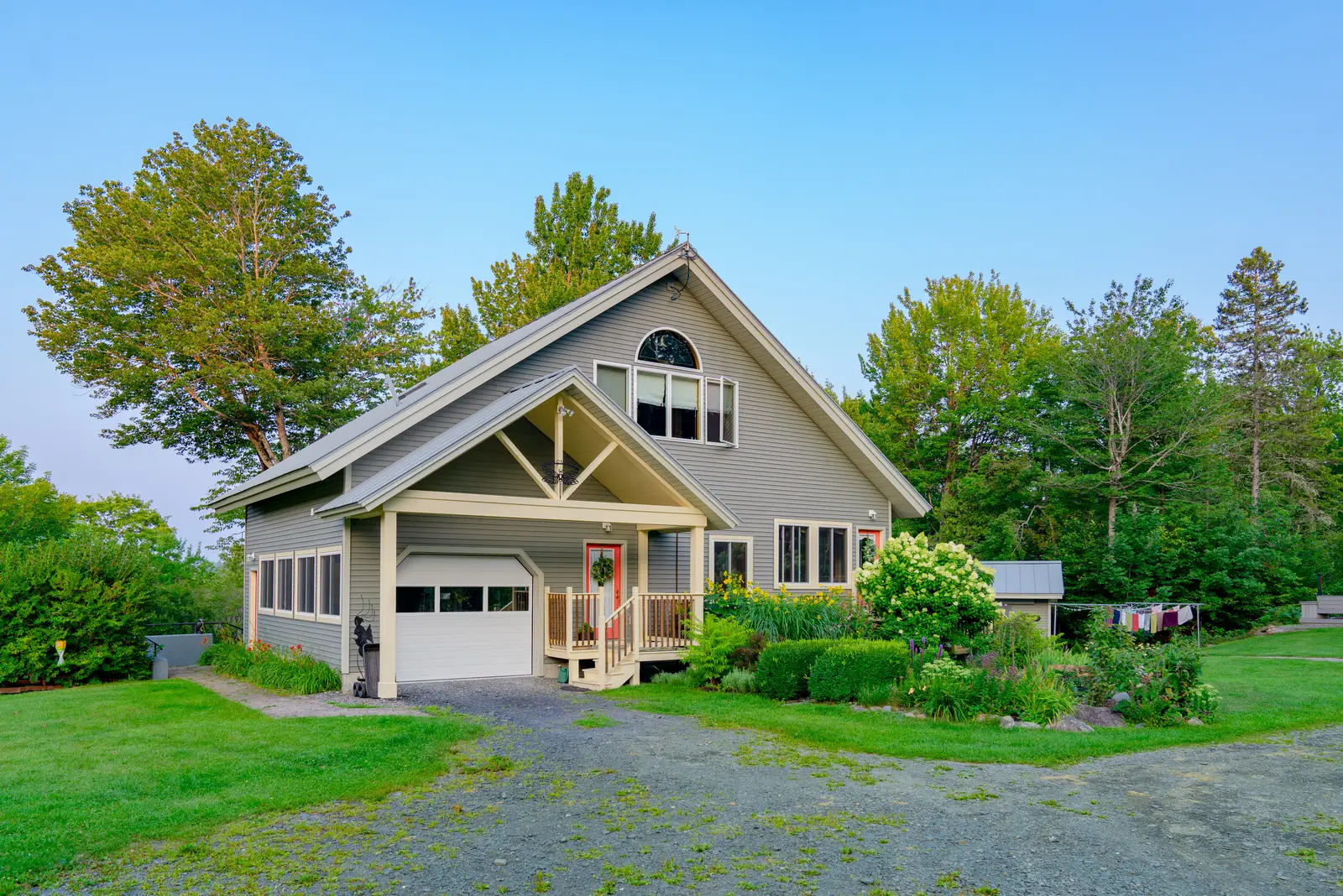
Fly the same Concord or Wellesley property in April and again in October and the aerials barely look like the same home. In spring the canopy is thin and gray-green, the lawn is patchy from thaw, and the light is flat. In October the trees turn, the lawn is thick and green, and the low afternoon sun rakes across the roofline. Season is one of the biggest, least-discussed variables in how an aerial shot actually reads — and for agents thinking ahead to a fall listing launch, now (August) is exactly when that scheduling decision gets made. Here's how each season changes what the aerial shows in Greater Boston, and how to plan around it.
The short answer
For most tree-heavy Greater Boston suburbs, the six or so weeks from late September through late October tend to be the strongest aerial window: foliage color, a still-full canopy early in the window, and low, warm late-day sun. But "best" depends on what the shot needs to sell. A waterfront property reads differently in summer's full green privacy screen than in winter's bare-branch water view. There's no single right season — there's a right season for the story a given listing is telling.
Fall: color, but a moving target
New England foliage is the aerial season everyone thinks of first, and for good reason — a canopy of red, orange, and gold around a home is hard to beat for an eye-catching hero shot. The catch is timing: peak color moves through the region over several weeks and shifts year to year with weather, so it's a window to plan around rather than a fixed date. Inland and northern towns like Concord, Carlisle, and Lexington typically turn earlier than coastal towns; North Shore towns like Beverly and Marblehead and the immediate coastline usually hold color a bit later, moderated by the ocean. The practical implication: book early in the fall marketing season rather than waiting for "peak," since a delayed shoot risks landing after the leaves are down. For towns with heavy tree cover, see our guide to the best towns for a twilight aerial shoot.
Winter: bare branches reveal the bones
Once the leaves are down, aerial photography does something fall and summer can't — it shows the lot, the water, and the architecture with nothing in the way. A waterfront home in Hingham or Gloucester that's screened by trees most of the year can show a full, unobstructed water view in January. Property lines, outbuildings, and the true shape of a lot are easiest to read when the canopy is bare. The trade-offs: the sun sets early, which shrinks the usable golden-hour window (more on that below), and lawns and gardens photograph starkly — this is a season for selling land, layout, and view, not lush curb appeal. It's also a strong season for a twilight aerial, since dusk arrives well before a typical showing schedule ends.
Spring: green-up, but it takes time
New England's spring green-up is gradual — trees leaf out over several weeks starting in mid-spring, so an aerial shot in early spring can still look closer to winter's bare branches than to a lush summer canopy. Flowering trees (magnolias, dogwoods, cherries) put on a real show for a short window in many Greater Boston suburbs, and a well-timed shoot can catch a property at its most photogenic. The complication is unpredictability: New England spring weather swings hard, lawns can still be recovering from winter, and grounds crews are often mid-cleanup. Spring rewards agents who build in a flexible shoot date rather than locking one in months ahead.
Summer: full privacy, flatter light, real haze risk
By midsummer the canopy is at its fullest, which is exactly what an estate property wants when the story is seclusion and grounds — a heavily wooded Weston or Dover property reads as private and lush in a way it simply doesn't in November. The trade-offs: midday summer light is harsh and flat from directly overhead, so aerial shoots need to be scheduled around golden hour just like ground photography (see our twilight vs. daytime guide). Humidity and haze are also a real factor on the hottest, muggiest days — skies read hazy and washed out rather than crisp, and afternoon thunderstorms are common enough that a hot-weather shoot needs a weather buffer built into the schedule.
Golden hour shifts with the season — plan the shoot time, not just the date
The best light for an aerial shot is always low and warm, near sunrise or sunset — but when that happens moves a lot across a New England year. In midsummer, golden hour can run past 7:30pm; by December, the sun is down before 4:30pm. That has real scheduling consequences: a winter aerial shoot has to be booked for early-to-mid afternoon to make a dusk window, while a summer shoot has flexibility to wait for a late-evening pass. Daylight saving time changes (spring forward, fall back) shift the clock time of golden hour overnight, which is worth double-checking against whatever date actually gets booked, especially for a twilight aerial paired with the shot.
Airspace and weather: the two things that don't care what season it is
Whatever the season, the same rules apply everywhere in Greater Boston: a legal flight requires an FAA Part 107 certified pilot and LAANC authorization for the specific address under the Class B airspace of Logan International, or the towered airspace of Hanscom, Norwood, and Beverly (full detail in our drone laws guide). Weather is the other constant risk in every season — wind, rain, and (in winter) snow or ice can push a scheduled flight, so any shoot booked close to a listing launch date should carry a buffer day. Our shoot prep checklist covers how to build that cushion in.
Matching season to the property
- Waterfront or view lot screened by trees: winter or very early spring, when bare branches open up the view.
- Wooded, private estate lot: late spring through summer, when the canopy is full and the seclusion is the selling point.
- General curb-appeal hero shot: fall, for color and warm late-day light, booked early in the season rather than waiting for a "perfect" peak-color date that might not line up with the listing timeline.
- Any season, any property: golden hour still beats midday, and a buffer day still beats a hard deadline with no weather cushion.
Planning ahead: the fastest way to test this on a real listing
If a fall listing is on the calendar, the booking window to hit peak color without waiting too long opens now. The first 10 qualified first-time Flyover agents with an active listing receive the $699 Essentials package free across Greater Boston, Southern New Hampshire, and the Portland, Maine area. Details and eligibility are on the free Essentials page. Everyone else can book directly on the booking page, where every package price is public.
The bottom line
Season changes what an aerial shot in Greater Boston can show — foliage color and warm light in fall, unobstructed views in winter, unpredictable but photogenic bloom in spring, and full lush privacy in summer, with real haze risk on the hottest days. Pick the season for the story the listing needs to tell, book with a weather buffer, and remember that golden hour's clock time moves with the calendar. Tell us about the property and the target launch date and we'll recommend the shoot window that fits.
Frequently asked questions
When is the best time of year for real estate drone photos in Boston?
For most tree-heavy Greater Boston suburbs, late September through late October tends to be the strongest window: foliage color, a still-full canopy early on, and low warm late-day light. The right season ultimately depends on the property — winter often shows a screened water view better, and summer suits a private, wooded estate lot.
Does foliage season have a fixed peak date every year?
No. Peak foliage color moves through New England over several weeks and shifts year to year with weather, and it typically arrives earlier inland than along the coast. Booking early in the fall season, rather than waiting for a predicted "peak" date, reduces the risk of a shoot landing after the leaves have dropped.
Why does golden hour timing matter for aerial shoots specifically?
Low, warm light near sunrise or sunset produces far better aerial images than harsh overhead midday sun, the same principle as ground photography. Because that window shifts by hours between summer and winter in New England, a shoot booked in December needs an early-afternoon flight time to catch dusk, while a summer shoot has a much later window to work with.
Should I build a weather buffer into an aerial shoot booking?
Yes, in every season. Wind, rain, and winter snow or ice can all push a scheduled flight, and a shoot booked with no cushion before a listing launch risks a last-minute scramble. A buffer day between the shoot and the go-live date protects the timeline regardless of season.